
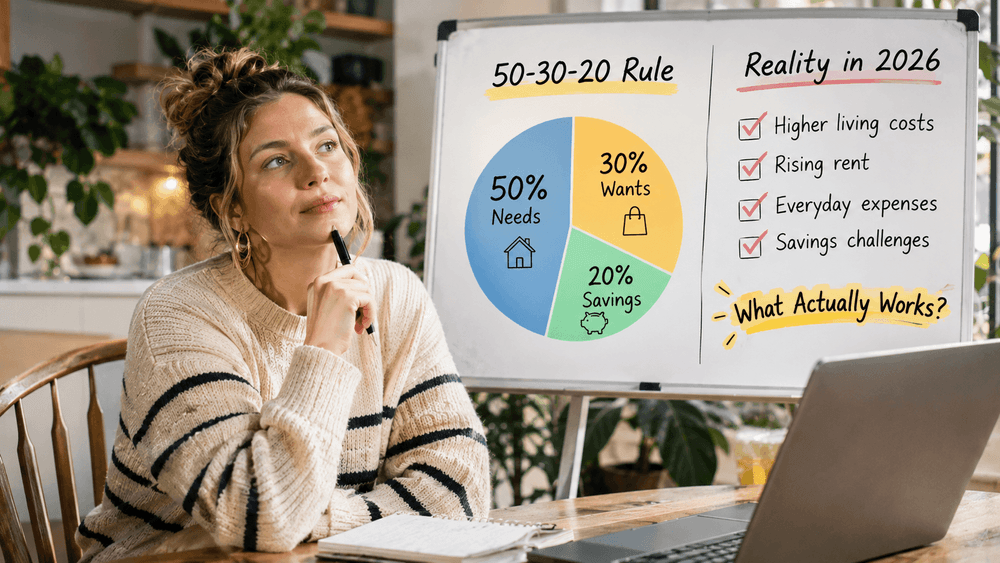
50-30-20 Rule vs Reality in 2026: What Actually Works?
Author: Sanjay Gupta
May 4, 2026 • 5-minute read
Managing money in 2026 is very different from how it was a few years ago. Rising living costs, subscription overload, inflation, remote
Managing money in 2026 is very different from how it was a few years ago. Rising living costs, subscription overload, inflation, remote work expenses, digital payments, and increasing financial responsibilities have changed how people budget worldwide. While the famous 50-30-20 budgeting rule is still widely recommended, many people now question whether it actually works in real life. The truth is simple: the 50-30-20 rule is a good starting point, but modern financial realities require flexibility.
In this guide, we’ll explore the real-world practicality of the 50-30-20 rule in 2026, where it works, where it fails, and how people can create smarter budgeting systems based on their actual income and lifestyle.
With tools like TimelyBills, individuals and families can better track expenses, organize bills, build savings goals, and improve financial planning in today’s fast-changing economy.
What Is the 50-30-20 Rule?
The 50-30-20 rule is one of the most popular budgeting methods globally.
It divides your after-tax income into three categories:
Category Percentage Purpose Needs 50% Essential expenses Wants 30% Lifestyle and entertainment Savings & Debt Repayment 20% Future financial security
The idea behind this method is simplicity.
For example, if your monthly income is $4,000:
$2,000 → Needs $1,200 → Wants $800 → Savings or debt payments
This framework became popular because it’s easy to understand and easy to follow.
However, in 2026, many people feel this formula no longer matches real-life financial situations.
Why the 50-30-20 Rule Became Popular
The rule gained popularity because it encourages balance.
Instead of:
- Spending everything
- Saving excessively without enjoying life
- Ignoring financial planning It creates structure.
The benefits include:
- Easy budgeting framework
- Better spending awareness
- Improved savings discipline
- Reduced financial stress
- Clear financial categories
For beginners learning money management, this budgeting approach still offers valuable guidance.
Using a smart budgeting app can help users apply budgeting rules more efficiently and track monthly spending automatically.
The Biggest Problem With the 50-30-20 Rule in 2026
The biggest issue is that modern living costs have increased dramatically worldwide.
For many people today:
- Rent alone consumes 40–60% of income
- Healthcare costs are rising
- Food prices continue increasing
- Education expenses are higher
- Digital subscriptions are multiplying
- Loan repayments are becoming larger
This makes the traditional 50% “needs” allocation unrealistic for many households. In some cities globally, basic survival expenses already exceed the recommended 50%.
As a result, people often feel guilty or financially “bad” simply because their real-life situation doesn’t fit the formula.
Reality Check: Modern Expenses Have Changed
The original 50-30-20 concept was created during a different financial era.
In 2026, people now manage expenses such as:
- Streaming subscriptions
- AI software tools
- Remote work costs
- Internet upgrades
- Cloud storage subscriptions
- Multiple insurance plans
- Childcare expenses
- Side-business investments
- Rising transportation costs
Modern budgeting requires more personalization than ever before.
That’s why strict budgeting percentages may not work equally for everyone.
When the 50-30-20 Rule Actually Works
Despite its limitations, the rule still works well for certain groups.
1. Individuals With Stable Income
People with predictable monthly salaries can often manage percentage-based budgeting more effectively.
2. Young Professionals Living Below Their Means
Those without major family responsibilities may find the formula easier to follow.
3. People Starting Their Financial Journey
The rule offers a simple introduction to budgeting and money management.
4. High-Income Earners
People with larger incomes often have more flexibility in balancing needs, wants, and savings.
For these groups, the 50-30-20 framework remains useful as a foundational budgeting system.
When the 50-30-20 Rule Fails
The rule becomes difficult for many people facing financial pressure.
1. High Rent or Housing Costs
In major cities worldwide, housing costs alone can exceed 50% of income.
2. Families With Children
Childcare, education, healthcare, groceries, and family expenses often make fixed percentages unrealistic.
A flexible family budgeting app can help families better organize shared household finances.
3. Freelancers and Variable Income Earners
Irregular income makes strict budgeting formulas harder to maintain consistently.
4. People Paying Off Debt
Debt repayment often requires far more than 20% of income.
5. Inflation-Affected Economies
Global inflation has significantly increased living expenses across many countries in 2026.
The Real Budgeting Rule for 2026: Flexibility
Modern financial planning is no longer about perfect percentages.
Instead, it’s about:
- Awareness
- Consistency
- Spending control
- Goal alignment
- Financial sustainability
The best budgeting system is the one you can realistically maintain long term.
Instead of forcing yourself into rigid percentages, focus on:
- racking expenses carefully
- Controlling lifestyle inflation
- Building emergency savings
- Reducing debt gradually
- Increasing income streams
- Improving spending habits
Financial success is more about behavior than exact formulas.
Smarter Alternatives to the 50-30-20 Rule
Many people in 2026 now use modified budgeting approaches.
1. The 60-20-20 Budget
This works better for people in expensive cities.
Category Percentage Needs 60% Wants 20% Savings 20%
2. The 70-20-10 Budget
Useful for individuals paying high living expenses.
Category Percentage Needs 70% Savings 20% Wants 10%
3. Zero-Based Budgeting
Every dollar gets assigned a purpose.
This method works well for people wanting maximum spending control.
4. Goal-Based Budgeting
Instead of fixed percentages, money is allocated based on financial priorities such as:
- Debt repayment
- Home purchase
- Travel savings
- Retirement investing
- Emergency fund growth
Using a smart goal tracker can help users stay focused on long-term financial goals.
Why Expense Tracking Matters More Than Budget Ratios
Many people fail financially not because of bad income — but because they never track spending.
Expense awareness is more powerful than memorizing budgeting rules.
Tracking expenses helps identify:
- Overspending patterns
- Unnecessary subscriptions
- Impulse purchases
- Financial leaks
- Areas for improvement
A reliable expense tracker gives real-time visibility into spending habits and helps users make smarter money decisions.
Without tracking, even the best budgeting formula becomes ineffective.
How Inflation Changed Budgeting in 2026
Inflation is one of the biggest reasons traditional budgeting formulas struggle today.
In many countries:
- Groceries cost more
- Fuel prices increased
- Rent prices surged
- Healthcare expenses grew
- Interest rates became higher
As expenses rise faster than salaries, fixed percentage systems become harder to maintain.
This is why budgeting in 2026 requires:
- Frequent financial reviews
- Flexible spending adjustments
- Smarter prioritization
- Better money tracking
The Psychological Side of Budgeting
Strict budgeting often fails because it feels restrictive.
When people feel deprived:
- They stop budgeting entirely
- Emotional spending increases
- Financial stress rises
- Motivation drops
A realistic budget should still allow:
- Entertainment
- Personal enjoyment
- Social activities
- Small rewards
Financial planning should improve quality of life — not create constant frustration.
What Actually Works in 2026?
The most successful financial strategies today combine:
1. Flexible Budgeting
Adjust categories based on your real-life situation.
2. Consistent Expense Tracking
Awareness creates control.
3. Automated Savings
Automation reduces missed opportunities to save.
4. Goal-Oriented Spending
Spend according to priorities, not emotions.
5. Financial Reviews Every Month
Reviewing financial reports helps improve habits over time.
Detailed financial reports provide insights into income, spending, savings, and budgeting performance.
How TimelyBills Helps With Modern Budgeting
Modern budgeting needs smart digital tools that simplify money management.
TimelyBills helps users worldwide manage finances through:
- Personalized budgeting
- Bill reminders
- Expense tracking
- Family budgeting tools
- Financial goal monitoring
- Spending reports
- Daily money management insights
Using a dedicated bill organizer app also helps users avoid missed payments, late fees, and financial stress.
Whether you follow the 50-30-20 rule or a customized budgeting method, having visibility into your finances is essential.
Best Budgeting Tips for 2026
Here are practical money management tips that actually work today:
Track Every Expense
Small daily purchases add up quickly.
Build an Emergency Fund
Aim for at least 3–6 months of living expenses.
Avoid Lifestyle Inflation
Higher income doesn’t always require higher spending.
Automate Bills and Savings
Automation improves consistency.
Review Subscriptions Regularly
Many people waste money on unused services.
Focus on Financial Progress — Not Perfection
A flexible budget is better than no budget.
How to Build a Realistic Budget in 2026
Instead of copying generic percentages online, create a budget based on:
- Your income
- Your location
- Family responsibilities
- Debt obligations
- Savings goals
- Lifestyle priorities
The best financial plan is personalized.
A budgeting strategy that works for one person may completely fail for another.
Technology Is Changing Personal Finance
In 2026, financial apps play a major role in budgeting success.
Digital budgeting tools help users:
- Monitor expenses instantly
- Set financial goals
- Track recurring bills
- Analyze spending patterns
- Improve accountability
The TimelyBills app download page allows users to manage their finances conveniently on Android and iOS devices. Technology makes modern financial planning simpler, faster, and more accurate.
The 50-30-20 rule is still a useful financial guideline, but it’s no longer a perfect solution for everyone in 2026.
Modern budgeting requires flexibility, personalization, and realistic expectations.
Instead of forcing yourself into rigid percentages, focus on:
- Understanding your spending
- Building sustainable habits
- Saving consistently
- Managing debt wisely
- Tracking financial progress regularly
The reality is simple:
A budgeting system only works if it fits your actual life.
Financial success in 2026 is not about following a perfect formula. It’s about building smart money habits that help you stay financially stable, reduce stress, and achieve long-term goals.
With tools like TimelyBills, managing your budget, expenses, savings, and financial goals becomes easier in today’s rapidly changing financial world.
Related Resources
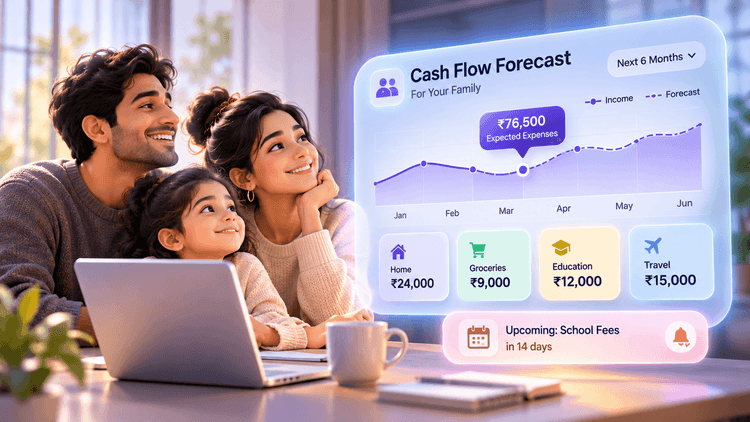
Cash Flow Forecasting for Families: Predict Expenses Before They Happen
The car insurance renewal. The back-to-school shopping bill. The annual subscription that auto-renews in October. The boiler service you forgot was due.
Read more
Travel Budget Planner 2026: Step-by-Step Guide
Traveling is one of the most rewarding experiences in life. Whether it’s a family vacation, solo adventure, business trip, honeymoon,
Read more
How to Plan Your Finances for FY 2026–27 (Step-by-Step)
How to Plan Your Finances for FY 2026–27 (Step-by-Step) isn’t about creating a perfect spreadsheet. It’s about building a system you’ll actually follow.
Read more