
Travel Budget Planner 2026: Step-by-Step Guide
Nikita Roy
18, May, 2026 1 min read
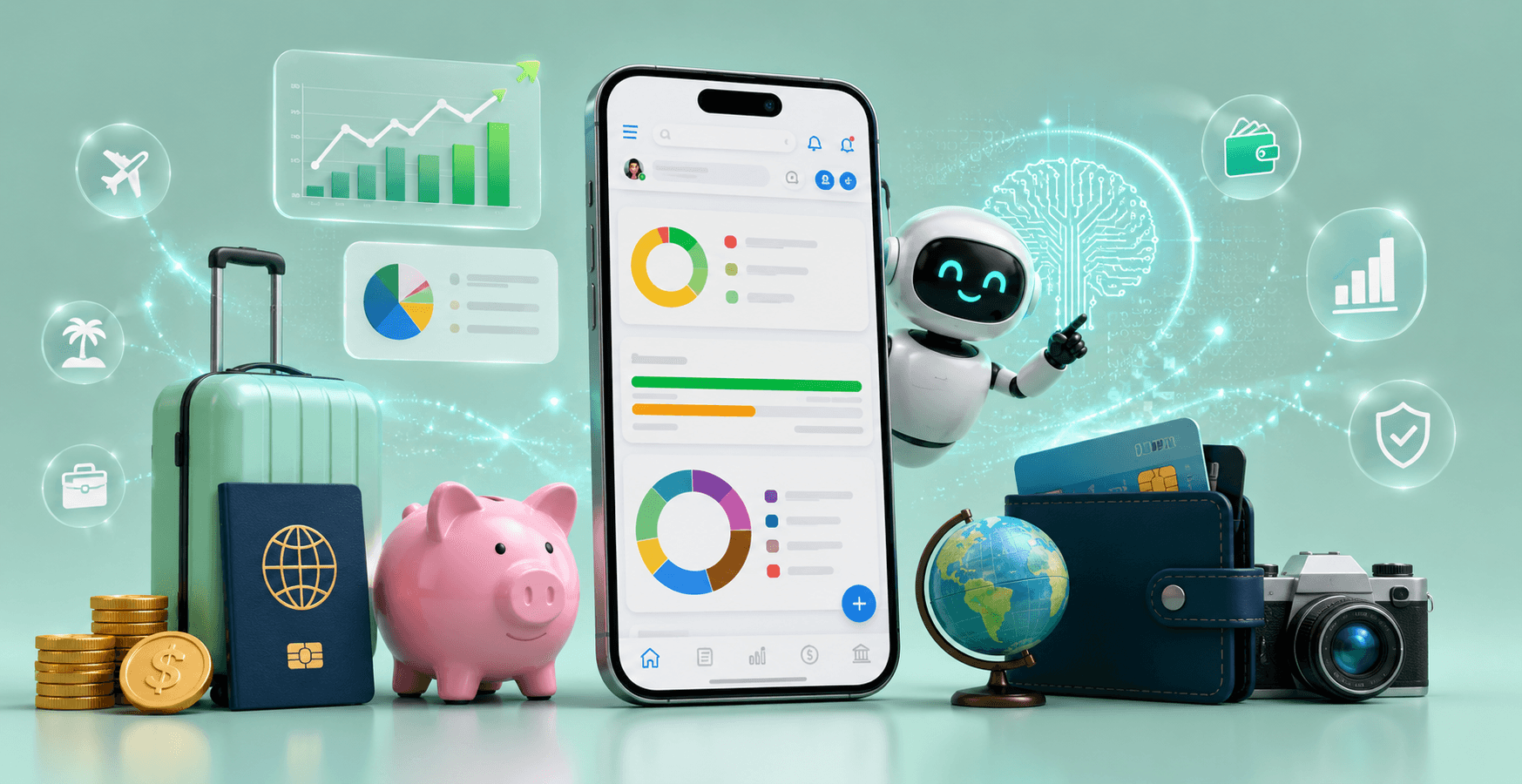
Traveling is one of the most rewarding experiences in life. Whether it’s a family vacation, solo adventure, business trip, honeymoon, or weekend getaway, traveling helps people relax, explore new cultures, and create unforgettable memories. However, without proper financial planning, travel can quickly become stressful and expensive.
In 2026, travel costs are rising globally due to inflation, higher fuel prices, dynamic airline pricing, increasing accommodation costs, and growing tourism demand. That’s why creating a smart travel budget planner has become more important than ever.
A well-planned travel budget helps you:
- Avoid overspending
- Reduce financial stress
- Save money efficiently
- Track travel expenses
- Enjoy trips without worrying about finances
With tools like TimelyBills, travelers can easily manage expenses, organize travel budgets, track spending, and stay financially prepared before, during, and after their trips.
In this complete guide, you’ll learn how to create a travel budget planner for 2026 step by step, along with practical budgeting tips that work for every type of traveler worldwide.
Why Travel Budget Planning Matters in 2026
Many travelers underestimate total trip expenses.
People usually focus only on:
- Flights
- Hotels
- Transportation
But actual travel costs also include:
- Food and dining
- Shopping
- Emergency expenses
- Travel insurance
- Visa fees
- Local transportation
- Internet and mobile charges
- Activity tickets
- Currency exchange fees
Without proper planning, travelers often:
- Overspend
- Use excessive credit
- Accumulate debt
- Return home financially stressed
A structured travel budget helps create a balance between enjoying experiences and maintaining financial stability.
Step 1: Decide Your Total Travel Budget
The first step is determining how much money you can realistically spend on your trip.
Ask yourself:
- How much can I comfortably afford?
- Will this trip affect emergency savings?
- Can I avoid debt for this trip?
- Am I sacrificing important financial goals?
A realistic travel budget should never create long-term financial problems.
A smart budgeting app can help organize your overall financial plan and determine how much you can safely allocate toward travel expenses.
Step 2: Choose Your Destination Carefully
Destination selection has a huge impact on your travel budget.
Some locations naturally cost more due to:
- Accommodation prices
- Currency value
- Transportation costs
- Tourist demand
- Seasonal pricing
Budget-friendly destinations can significantly reduce overall trip expenses.
When choosing destinations, consider:
- Flight affordability
- Cost of living
- Exchange rates
- Local transportation
- Food costs
- Travel seasons
Traveling during off-season periods often helps reduce costs dramatically.
Step 3: Estimate Major Travel Expenses
A travel budget planner should include all expected expenses.
Main travel categories include:
Transportation
- Flights
- Train tickets
- Bus tickets
- Car rentals
- Fuel costs
- Airport transfers
Accommodation
- Hotels
- Resorts
- Vacation rentals
- Hostels
- Airbnb stays
Food and Dining
- Restaurants
- Snacks
- Coffee shops
- Groceries
Activities and Entertainment
- Tourist attractions
- Adventure activities
- Museum tickets
- Guided tours
Shopping and Souvenirs
- Gifts
- Clothing
- Personal shopping
Emergency Expenses
Always keep extra funds for:
- Medical emergencies
- Delays
- Lost luggage
- Unexpected travel changes
The more detailed your planning, the fewer financial surprises you’ll face during your trip.
Step 4: Create a Daily Travel Spending Limit
Many travelers lose track of spending because they only focus on total trip cost. A better approach is setting a daily travel budget.
For example: Expense Category Daily Budget Food $40 Local Transport $20 Entertainment $30 Miscellaneous $20
This approach helps maintain spending discipline throughout the trip.
Using a reliable expense tracker makes it easier to monitor daily travel spending in real time.
Step 5: Start Saving for Travel Early
The earlier you start saving, the less financial pressure you’ll experience.
Instead of using credit cards heavily before travel:
- Create a dedicated travel savings goal
- Save small amounts consistently
- Automate savings deposits
- Reduce unnecessary spending
Even small monthly contributions grow significantly over time.
A useful goal tracker can help travelers monitor savings progress and stay motivated before their trip.
Step 6: Track Travel Expenses Carefully
Travel spending happens very quickly.
Small expenses such as:
- Snacks
- Taxi rides
- Souvenirs
- Coffee
- Tips
- Entry tickets
Can quietly destroy your budget.
Expense tracking during travel helps:
- Prevent overspending
- Improve awareness
- Identify unnecessary expenses
- Stay within planned limits
Real-time expense monitoring is one of the smartest travel budgeting habits in 2026.
Step 7: Avoid Common Travel Budget Mistakes
Many travelers repeat the same financial mistakes.
1. Ignoring Hidden Costs
Unexpected fees may include:
- Baggage charges
- Resort fees
- Currency conversion fees
- Airport taxes
2. Overusing Credit Cards
Heavy card usage often leads to post-travel debt.
3. Underestimating Food Costs
Dining expenses add up faster than expected.
4. No Emergency Fund
Travel emergencies can happen anytime.
5. Shopping Without Limits
Impulse shopping can ruin your financial plan.
Awareness helps prevent unnecessary financial stress.
Step 8: Use Technology for Smarter Travel Budgeting
Modern travel budgeting is much easier with digital finance tools.
Technology now helps travelers:
- Track spending instantly
- Organize bills
- Monitor budgets
- Set savings goals
- Review spending patterns
Apps like TimelyBills simplify financial planning before and during travel. Digital finance tools improve convenience and budgeting accuracy.
Step 9: Organize Bills and Travel Payments
Travel often involves multiple payment deadlines such as:
- Flight bookings
- Hotel reservations
- Insurance renewals
- Visa payments
- Tour bookings
Missing payments may lead to cancellations or extra charges.
Using a dedicated bill organizer app helps travelers stay organized and avoid missed payment deadlines.
Automation improves travel preparation significantly.
Step 10: Plan Family Travel Budgets Properly
Family travel requires more detailed financial planning.
Additional costs include:
- Children’s tickets
- Family accommodation
- Extra luggage
- Childcare essentials
- Family meals
- Emergency expenses
A structured family budgeting app helps families manage shared travel expenses more effectively.
Family budgeting improves transparency and reduces financial confusion during trips.
Step 11: Build an Emergency Travel Fund
Unexpected situations can increase travel expenses suddenly.
Examples include:
- Flight cancellations
- Medical emergencies
- Lost documents
- Weather delays
- Transportation issues
Experts recommend keeping:
- 10–20% extra beyond your estimated budget
Emergency funds provide financial safety and peace of mind while traveling.
Step 12: Monitor Currency Exchange Rates
For international travelers, exchange rates affect overall travel costs significantly.
Tips to reduce currency-related expenses:
- Monitor exchange rates before travel
- Avoid airport currency exchanges
- Use travel-friendly payment cards
- Understand international transaction fees
Even small exchange rate differences can impact total travel expenses.
Step 13: Balance Experiences and Spending
Travel budgeting does not mean eliminating enjoyment. Instead, it helps prioritize spending on experiences that truly matter.
Ask yourself:
- Will this activity create meaningful memories?
- Is this purchase necessary?
- Can I enjoy the experience without overspending?
Smart travelers focus on value, not just luxury.
Step 14: Review Travel Spending After the Trip
Most people stop tracking finances once the trip ends.
However, post-trip financial reviews are extremely valuable.
Reviewing travel expenses helps you:
- Improve future budgeting
- Identify overspending patterns
- Estimate realistic travel costs
- Plan better future vacations
Detailed financial reports can help analyze spending habits and improve future travel financial planning.
Learning from past trips creates smarter future travel experiences.
Best Ways to Save Money While Traveling in 2026
Here are practical travel budgeting tips that work globally:
Travel During Off-Season
Flights and hotels are often much cheaper.
Book Early
Advance bookings usually reduce transportation and accommodation costs.
Use Public Transportation
Public transit is often far cheaper than taxis or rentals.
Limit Impulse Shopping
Souvenir shopping can quickly exceed budgets.
Set Daily Spending Limits
Daily control prevents financial surprises.
Track Expenses Daily
Awareness improves spending discipline.
Compare Prices Before Booking
Use comparison tools for flights and hotels.
Why Travel Budgeting Is Important for Financial Health
Many people treat vacations separately from financial planning.
But travel spending directly affects:
- Savings goals
- Debt management
- Emergency funds
- Monthly budgets
- Long-term financial stability
Responsible travel budgeting allows people to:
- Enjoy experiences guilt-free
- Avoid financial stress
- Protect savings
- Travel more frequently long term
Financial planning creates better travel experiences overall.
How TimelyBills Helps Travelers Manage Finances
TimelyBills helps travelers simplify money management through:
- Personalized budgeting
- Expense tracking
- Bill reminders
- Family budgeting tools
- Savings goal tracking
- Financial reports
- Daily money management support
Whether planning a solo trip, family vacation, or international adventure, TimelyBills helps users stay financially organized throughout the travel journey.
The TimelyBills app download page allows users to access budgeting and expense management tools conveniently on Android and iOS devices.
Traveling in 2026 can be exciting, memorable, and financially manageable with proper planning.
A smart travel budget planner helps you:
- Control expenses
- Reduce stress
- Avoid debt
- Improve savings
- Enjoy trips confidently
The goal is not to limit experiences — it’s to travel responsibly while protecting your financial health.
By creating realistic budgets, tracking expenses, organizing payments, and using modern financial tools like TimelyBills, travelers can enjoy better financial stability before, during, and after every trip.
Smart travel begins with smart financial planning.

Download the app and get started on your money saving journey




© Copyrights 2026 TimelyBills. All rights reserved.