
Easy Ways to Reduce Late Fees with Recurring Bill Reminders
Nikita Roy
2, February, 2026 1 min read
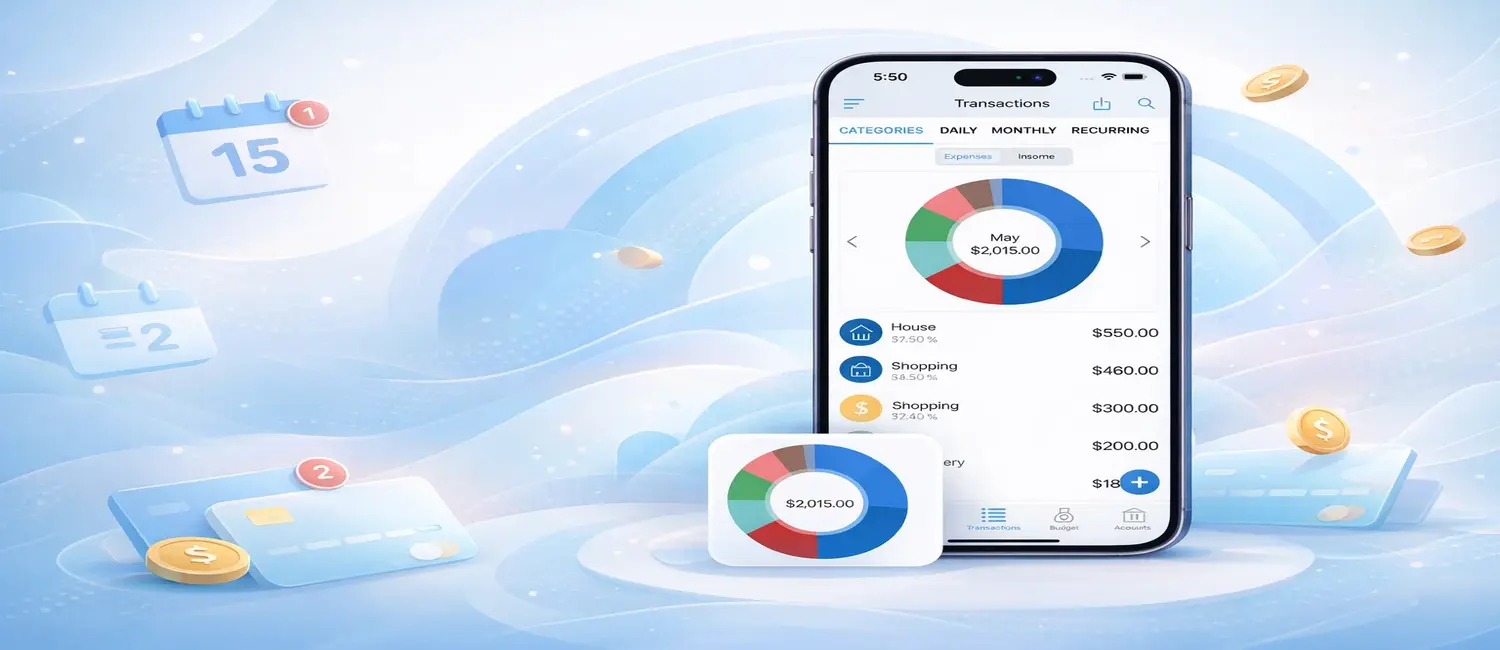
Easy Ways to Reduce Late Fees with Recurring Bill Reminders start with one simple shift: stop relying on memory and start relying on structured systems. Across the US, UK, India, Australia, Canada, and other global markets, late payment penalties quietly drain bank accounts every month. A missed electricity bill, delayed credit card payment, or forgotten subscription renewal can trigger unnecessary fees, interest charges, and even credit score damage. The good news? With the right recurring bill reminder system, you can prevent most of these losses and regain full control over your monthly cash flow.
If you’ve ever thought, “I’ll remember to pay it,” and then didn’t — this guide is for you.
What Are Recurring Bill Reminders and How Do They Reduce Late Fees?
Recurring bill reminders are automated notifications that alert you before a payment due date so you can pay on time and avoid penalties.
In practical terms, they:
-
Track monthly or annual bills automatically
-
Send reminders before due dates
-
Help plan cash flow in advance
-
Reduce missed payments and late charges
-
Improve long-term financial discipline
Instead of reacting to penalties, you proactively manage your obligations.
Why Do Late Fees Happen So Often?
Late fees rarely happen because people don’t have money. They happen because of poor visibility and fragmented tracking.
Common causes globally include:
-
Multiple billing cycles across providers
-
Subscription renewals without alerts
-
Manual reminders that get ignored
-
Travel or busy work schedules
-
Poor monthly expense breakdown
According to the Consumer Financial Protection Bureau (CFPB), Americans pay billions of dollars annually in late fees on credit cards and loans.
In many countries, credit card late fees range between $25–$40 per missed payment, and interest rates compound quickly. Over a year, just three missed payments could cost hundreds.
The issue isn’t discipline. It’s system design.
How Recurring Bill Reminders Improve Financial Stability
A structured bill reminder system reduces cognitive load and strengthens personal finance consistency.
When you automate alerts:
-
You protect your credit utilization ratio
-
You prevent unnecessary interest charges
-
You stabilize monthly cash flow
-
You reduce financial stress
Research from the Federal Reserve’s Survey of Household Economics and Decisionmaking shows that 37% of adults would struggle to cover a $400 emergency expense. Avoiding preventable late fees becomes critical in that context.
Small financial leaks matter.
Step-by-Step System to Reduce Late Fees in 90 Days
This framework is based on real-world financial behavior patterns observed across global households.
Month 1: Centralize All Bills in One Organized System
Start by listing every recurring obligation:
-
Rent or mortgage
-
Utilities
-
Credit cards
-
Insurance
-
Streaming subscriptions
-
School fees
-
Loan EMIs Most people forget at least one.
Using a structured digital bill organizer helps consolidate all due dates in one dashboard: Bill Organizer
Centralization prevents surprises.
Micro insight: When bills are scattered across emails and SMS notifications, the brain deprioritizes them.
Month 2: Align Bills with Your Cash Flow Cycle
Late fees often happen because due dates don’t match salary dates.
Reorganize where possible:
-
Request new billing cycles from providers
-
Shift auto-debits after income credit
-
Create a buffer window of 3–5 days Pair this with a structured monthly plan inside a budgeting app to map fixed obligations against income timing: Budgeting App
The Bureau of Labor Statistics Consumer Expenditure Survey shows housing and utilities make up a significant portion of household expenses. Timing errors in these categories are costly.
Cash flow alignment reduces payment friction.
Month 3: Automate Tracking and Monitor Trends
Set recurring alerts at:
-
7 days before due date
-
3 days before
-
On due date
Then review patterns using structured financial reports: Report This helps identify:
-
Frequently late categories
-
Rising subscription costs
-
Utility spikes
-
Loan repayment trends
Data creates accountability.
How Expense Tracking Prevents Hidden Late Fees
Sometimes, late fees happen because spending crowds out bill money.
If discretionary purchases exceed expectations, bill funds get squeezed.
Using a real-time spending tracker helps maintain awareness: Spending Tracker
Tracking allows you to:
-
Monitor daily discretionary spending
-
Identify recurring subscription audits
-
Protect bill allocation funds
World Bank data indicates global inflation pressures have increased cost-of-living burdens across regions.
That makes structured expense tracking even more important worldwide.
How Families Can Avoid Shared Bill Mistakes
In shared households, missed bills often occur because responsibility is unclear.
Using collaborative family budgeting tools ensures:
-
Transparent bill ownership
-
Shared due-date visibility
-
Reduced communication gaps
Families that conduct structured monthly budget check-ins show stronger financial consistency and fewer payment errors.
Clarity reduces conflict.
Setting Long-Term Financial Goals Beyond Late Fee Prevention
Avoiding late fees is foundational — but growth matters too.
Once reminders are consistent, redirect saved penalties toward structured savings using a goal tracker: Goal Tracker
For example:
If you previously paid $30 per month in avoidable fees, redirecting that amount into emergency savings creates long-term resilience.
Behavioral finance research shows visual savings progress increases commitment and financial confidence.
Avoiding penalties becomes opportunity creation.
What Recurring Bill Reminders Are NOT
Recurring bill reminders are not:
- Automatic payment guarantees (you still need funds available)
- A replacement for budgeting
- A debt elimination strategy by itself
- A one-time setup without review
They are a preventive financial control system.
When combined with structured budgeting and expense tracking, they become powerful.
The Role of AI, NLP, and Modern Search Behavior
Today, people search for financial advice through Google, Bing, Yahoo, AI Overview panels, ChatGPT, and Gemini.
Content structured with:
• Clear definitions • Direct answers • FAQ schema-ready formatting • NLP-aligned terminology • Technical SEO best practices
improves Answer Engine Optimization (AEO) and Generative Engine Optimization (GEO).
This article integrates SurferSEO-guided semantic coverage for contextual depth — not keyword stuffing — ensuring strong AI retrieval signals.
Why Digital Systems Outperform Memory
After 10+ years of supporting users globally, one consistent pattern appears: people don’t miss payments because they are careless. They miss payments because they rely on memory.
A structured ecosystem like Timelybills simplifies:
-
Personalized budgeting
-
Recurring bill reminders
-
Expense tracking
-
Family financial coordination
-
Daily money tips
Available on Android and iOS:Download
Automation reduces stress and strengthens discipline.
Author Authority
This article is written from over 20 years of financial content strategy experience, observing behavioral budgeting cycles, recurring payment mistakes, and digital money management adoption trends across global markets. The strategies outlined here are execution-driven and field-tested.
Top 10 FAQs
How do recurring bill reminders reduce late fees?
Recurring reminders alert you before due dates, allowing time to allocate funds and avoid penalties. When reminders are automated and centralized, the risk of forgetting payments decreases significantly. Over time, this builds consistent payment habits and improves financial stability.
Is it better to use auto-pay or reminders?
Auto-pay ensures payments happen automatically, but reminders provide flexibility. Many people prefer reminders to maintain cash flow control, especially in variable income situations. A combined strategy works best in most cases.
Can bill reminders improve my credit score?
Yes. On-time payments positively impact your credit history. Avoiding late payments protects your credit utilization ratio and strengthens long-term creditworthiness.
How early should bill reminders be set?
Ideally, 7 days before the due date, then 3 days before, and on the due date itself. This gives enough planning time without creating alert fatigue.
Are recurring bill reminders useful for small subscriptions?
Absolutely. Small subscriptions are often forgotten. Tracking them prevents unnecessary renewals and surprise deductions.
How can families manage shared bills more effectively?
Using shared dashboards and structured reminders ensures accountability. Everyone knows what is due and when, reducing miscommunication.
What if my income varies monthly?
Align bill due dates with expected income cycles where possible. Use reminders to create buffer planning windows.
Do bill reminders replace budgeting?
No. Reminders prevent missed payments, but budgeting ensures funds are allocated correctly. Both systems should work together.
How much money can I save by avoiding late fees?
Depending on location and credit card terms, avoiding even 3–5 late payments annually can save hundreds in penalties and interest charges.
Are digital bill organizers secure?
Reputable financial apps use encryption and security protocols to protect data. Always review security policies before using any financial platform.
Reducing late fees isn’t about working harder — it’s about working smarter with structured recurring bill reminders. When your system is organized, your finances follow. Explore Timelybills if you want a practical, global-ready way to manage bills, track spending, and improve your financial well-being. Update this guide every 60–90 days to stay aligned with changing billing policies, inflation trends, and digital payment innovations.

Download the app and get started on your money saving journey




© Copyrights 2026 TimelyBills. All rights reserved.