
Do’s and Don’ts for Achieving Financial Independence
Author: Sanjay Gupta
Oct 9, 2023 • 1-minute read
Do’s and Don’ts for Achieving Financial Independence
Achieving financial independence isn't just about amassing wealth — it's about gaining the freedom to live life on your terms without constant financial stress. Whether you're just starting out or looking to regain control of your money, there are some time-tested strategies and avoidable pitfalls to keep in mind. Drawing from over 15 years of helping people navigate their financial paths, the TimelyBills team has seen what works, what doesn't, and what truly moves the needle.
Ready to take control? Here are the do’s and don’ts for creating your own path to financial independence — no jargon, just real talk.
Do: Set Clear, Achievable Financial Goals
Let’s kick things off with clarity. You can’t hit a target you can’t see. Ask yourself:
- Do I want to be debt-free in 2 years?
- Am I saving enough for retirement?
- How much do I need to feel financially secure?
Break these goals into bite-sized milestones. For example, instead of "save for a house," say "save ₹5 lakhs in 12 months."
Pro Tip: Use the TimelyBills Goal Tracker to define, track, and celebrate your progress every step of the way.
Do: Create (and Stick to) a Personalized Budget
A budget isn’t a restriction — it’s your financial freedom blueprint. It tells your money where to go instead of wondering where it went.
Apps like the TimelyBills Budgeting App make it easy to:
- Categorize your spending
- Track daily expenses
- Identify leaks and overspending
Once you see your patterns, it's easier to redirect money toward goals rather than impulse purchases.
Do: Keep Learning About Money
Financial literacy isn’t a one-and-done. The more you know, the more confident you become.
Explore resources like:
- Personal finance books
- Podcasts
- Online courses
We've compiled helpful reads like "Financial Terms Everyone Should Know" to help decode intimidating jargon into everyday language.
Do: Build Smart Saving & Investment Habits
Automate your savings so it feels effortless. Aim to save at least 20% of your income each month. Allocate a portion to:
- Emergency fund (3–6 months of expenses)
- Retirement investments (SIPs, PPF, etc.)
- Long-term wealth creation (stocks, mutual funds, real estate)
Monitor your progress using the Spending Tracker and Reports features inside TimelyBills. These insights will help you make smarter investment decisions.
Do: Diversify Your Income Sources
Relying on just one salary is risky. Think side gigs, freelance work, or passive income opportunities like:
- Dividend-paying stocks
- Digital products (ebooks, courses)
- Real estate rentals
Over the years, we’ve seen clients create sustainable income through multiple channels — it's more attainable than you think.
Don’t: Ignore Your Emergency Fund
Imagine facing a medical emergency or sudden job loss without a safety net. Stressful, right?
Build an emergency fund before anything else. Keep it easily accessible, but not too easy to dip into.
Set up reminders and automate transfers with the TimelyBills Bill Organizer to avoid missing due dates while keeping your emergency fund intact.
Don’t: Fall for Get-Rich-Quick Schemes
Promises of "double your money in 30 days"? Run the other way. Sustainable wealth is built slowly and wisely.
Stick to verified investments and never invest in something you don’t fully understand.
Check out our article on How to Avoid Losing Your Money for red flags to watch out for.
Don’t: Depend on One Source of Income
Layoffs, market crashes, or personal emergencies can disrupt even a high-paying job. Consider this your sign to diversify.
If you're part of a household, leverage shared finances with tools like TimelyBills Family Budgeting to optimize joint income.
Don’t: Use Debt to Fund Lifestyle Upgrades
Swiping a credit card for a vacation or new phone feels good… until the bill hits. Avoid:
- Unnecessary EMI plans
- Revolving credit card balances
- Lifestyle inflation as your income grows
Instead, use the Account Manager to monitor debts and savings in one place.
Don’t: Let Emotions Control Your Financial Moves
We’ve seen panic selling, impulse investments, and "YOLO" purchases wreck long-term plans. Take a breath. Stick to your strategy.
When in doubt, pause. Sleep on big money decisions. Let logic, not fear or FOMO, drive the choices.
Every financially free person you admire started where you are — one decision, one budget, one smart choice at a time. With the right habits and tools, you can get there too.
Download the TimelyBills App today to:
- Set and track your goals
- Organize bills and expenses
- Gain control of your financial journey
Remember, the earlier you start, the more freedom you'll gain. You’ve got this — and we're here to help every step of the way.
Related Reads You’ll Love:
- Smart Financial Moves That Pay Off
- Post-Festival Financial Recovery
- Mastering Money in Your 20s and 30s
- Financial Milestones for Every Age
- Bad Spending Habits to Break
Frequently Asked Questions
1. What is the first step toward financial independence?
Start by setting clear financial goals and building a realistic budget that supports them.
2. How much should I save monthly to be financially independent?
Aim to save at least 20% of your income, with 5–7% directed toward long-term investments.
3. Do I need to be debt-free to achieve financial independence?
Not entirely, but reducing high-interest debt is critical. Managing debt wisely is part of the journey.
4. What’s the ideal emergency fund size?
You should save enough to cover 3 to 6 months’ worth of essential expenses.
###5. How can the TimelyBills App help me? TimelyBills helps you track spending, budget smarter, monitor goals, and stay on top of bills — all in one place.
Related Resources
Got a Salary Hike? Here’s How to Use It Smartly (2026 Guide)
Getting a salary hike always feels exciting. Whether it’s your first increment, a promotion-based raise, or a performance bonus, the extra income gives you more freedom and confidence.
Read more
New Financial Year 2026: Smart Money Moves You Must Make in April
The New Financial Year 2026: Smart Money Moves You Must Make in April can quietly decide how your entire year goes. Sounds dramatic? Maybe.
Read more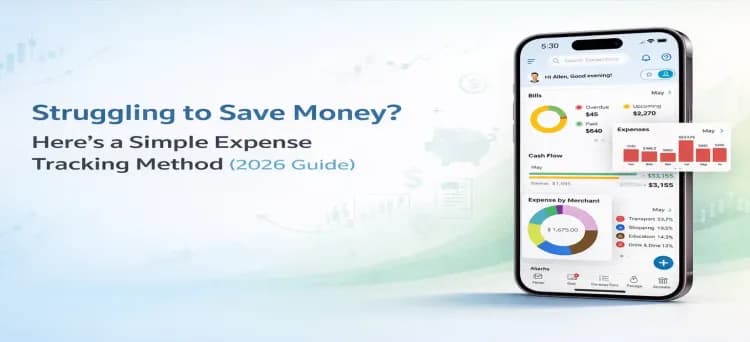
Struggling to Save Money? Here’s a Simple Expense Tracking Method (2026 Guide)
Struggling to save money? Here’s a simple expense tracking method that actually works—because let’s be honest, most people
Read more